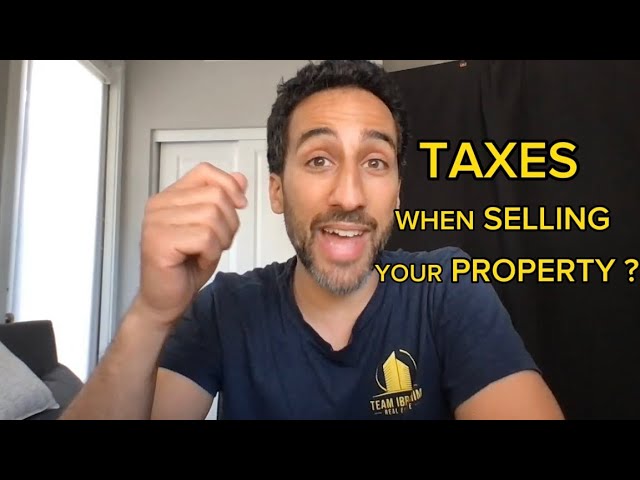
Tax Strategies & Implications When Selling A Home in SoCal ???? ???? ????
It’s no secret that one of the best ways to build wealth is to own real estate. Here is a short and sweet summary of what to know about taxes to maximize your investment before selling your property! ????
- Capital Gains Tax: If you sell your home for a profit, you may owe capital gains tax. But don't worry! There's good news. If it's your primary residence and you meet certain criteria, you might be able to exclude up to $250,000 of profit if you're single, or up to $500,000 if you're married and filing jointly. Also, remember that short term capital gain tax (under 1 year) is taxed at your regular income tax bracket.
- Property Transfer Tax: All Southern California counties have the same property transfer tax rate. A number of cities have imposed additional city transfer taxes (see list below). Usually, the seller covers these taxes, or you can negotiate it as part the purchase agreement.
- LA Mansion Tax: Los Angeles City imposed an additional transfer tax in April 2023 that tagged on an extra 4% for properties sold over $5 million and 5.5% on properties sold over $10 million to generate revenue for the city’s homeless crisis. If your home is around the $5 or $10 million threshold you could save a lot of taxes depending on the sale price.
- Selling an Investment Property: Long term capital gains tax is 15-20% depending on your income, and you can lessen the tax burden through pairing the gain with a loss from another investment, claiming deductions, or buying another investment property with a 1031 exchange.
- Inheriting a Home: Good news! There are no estate or inheritance taxes in California. The property automatically converts to fair market value and if you sell the home immediately, the heir is not responsible for paying taxes on those gains.
- Mortgage and Home Equity Debt: If you have any mortgage or home equity debt that gets forgiven or canceled during the sale, it could be seen as taxable income. The Mortgage Forgiveness Debt Relief Act and the California Conformity Act may provide relief for certain situations.
- Depreciation: Remember when you claimed depreciation deductions on your property? You might owe depreciation recapture tax when you sell. It's a way for the taxman to recoup some of the benefits you received from those depreciation deductions.
Get Expert Advice: As always, make sure to consult with a tax professional. They'll look at your unique circumstances, provide personalized advice, help you understand the tax implications, and even find more strategies to minimize your tax burden.
If you have more questions about how to maximize your investment when selling your home, please reach out! We would love to help you strategize the best plan of action for your specific situation!
The information above is for educational and informational purposes only. It is not a substitute for tax advice from a tax professional and we expressly recommend that you seek advice from a tax professional.