
Categories
Relocating to GlendoraPublished August 26, 2026
Relocating to the San Gabriel Valley From Out of State: What to Know


Every year, Marcus and Helen Ibrahim work with buyers moving into the San Gabriel Valley from other states, and the questions those buyers ask tend to follow a pattern: how is this different from where I came from, and what should I be doing before I fly out for a house-hunting trip. Below is a practical rundown of what tends to catch out-of-state buyers off guard, organized as a checklist rather than a sales pitch, so you can use it to get oriented regardless of which agent or lender you end up working with.
Get Pre-Approved With a Lender Familiar With California
California's homebuying process has its own rhythm, and a lender who closes loans regularly in this market will be able to walk you through it more efficiently than one who is not familiar with local escrow customs, disclosure timelines, or typical closing costs. Because loan qualification depends on your income, credit, down payment, and the specific loan product, the actual numbers — how much you can borrow, what your rate might look like, what cash you will need at closing — are questions for a mortgage lender, not something to estimate from general online calculators. Getting pre-approved before you start touring homes also strengthens your position once you find a property you want to offer on.
Understand How California's Offer and Escrow Process Works
In California, once a seller accepts an offer, the transaction moves into escrow — a neutral third party holds funds and documents until every condition of the contract is satisfied. Buyers typically have defined contingency periods to complete inspections, review disclosures, and finalize loan approval, and these periods are negotiated as part of the offer rather than fixed by law. Sellers in California are also required to provide extensive property disclosures, covering everything from known defects to natural hazard zones, which gives buyers more documentation to review than in some other states. If any part of this process is unfamiliar, your agent and your escrow officer can walk you through exactly what is due and when. Your escrow officer will walk you through exactly which documents need signatures and by when, so it is not something you need to track entirely on your own.
Budget for the Full Picture, Not Just the Purchase Price
Closing costs, property taxes, and insurance work differently from state to state, and California has its own conventions on who typically pays for what — title insurance, escrow fees, and transfer taxes among them, though these can vary by county and are often negotiated between buyer and seller. Property tax questions, including how California's assessment rules work and what your ongoing tax bill might look like, are best directed to a tax advisor or to the LA County Assessor's office, since the answer depends on the specific property and purchase price. Treat any cost estimates you see online as a rough starting point rather than a final number. It is also worth asking about typical homeowners insurance costs for your target area early in the process, since certain parts of California have seen insurance availability and pricing shift in recent years, and a local insurance agent can give you a far more accurate picture than a national average.
Orient Yourself to the Region Before You Commit to a Neighborhood
The San Gabriel Valley spans a wide range of communities, from Pasadena's denser, walkable core to the more suburban stretches of Glendora, Azusa, Duarte, Monrovia, Arcadia, Altadena, West Covina, Covina, and San Dimas. Each city has its own character, price range, and commute profile, and what fits one household's priorities may not fit another's. Before narrowing in on a neighborhood, it helps to spend time researching school options through a resource like GreatSchools, looking at commute routes on Google Maps for the specific job location involved, and if possible, visiting at different times of day to get a feel for traffic and neighborhood activity. A short list of priorities — commute tolerance, school preferences, lot size, walkability — will make touring homes far more productive once you arrive.
Plan Your House-Hunting Trip With a Purpose
Out-of-state buyers get the most out of a house-hunting trip when they arrive with pre-approval already in hand, a shortlist of neighborhoods to focus on, and a flexible enough schedule to see homes as they come on the market rather than only what was listed weeks earlier. Many out-of-state buyers also arrange a portion of their process remotely — reviewing listings, disclosures, and even some walkthroughs virtually — before finalizing a decision in person. A local agent who knows the inventory can help you use limited time on the ground efficiently rather than spreading a short trip too thin across too many cities. It also helps to build in a cushion of extra time for travel between neighborhoods during a house-hunting trip — distances that look short on a map can take longer than expected once real traffic patterns are factored in, so a local agent's guidance on realistic scheduling can save a trip from feeling rushed.
If you are relocating to the San Gabriel Valley and want a second set of eyes on your neighborhood shortlist, or want a referral to a local lender who can walk you through California-specific numbers, Marcus and Helen Ibrahim are happy to help you get oriented before your trip. Call (626) 605-1840 or visit www.teamibrahim.com to start the conversation.
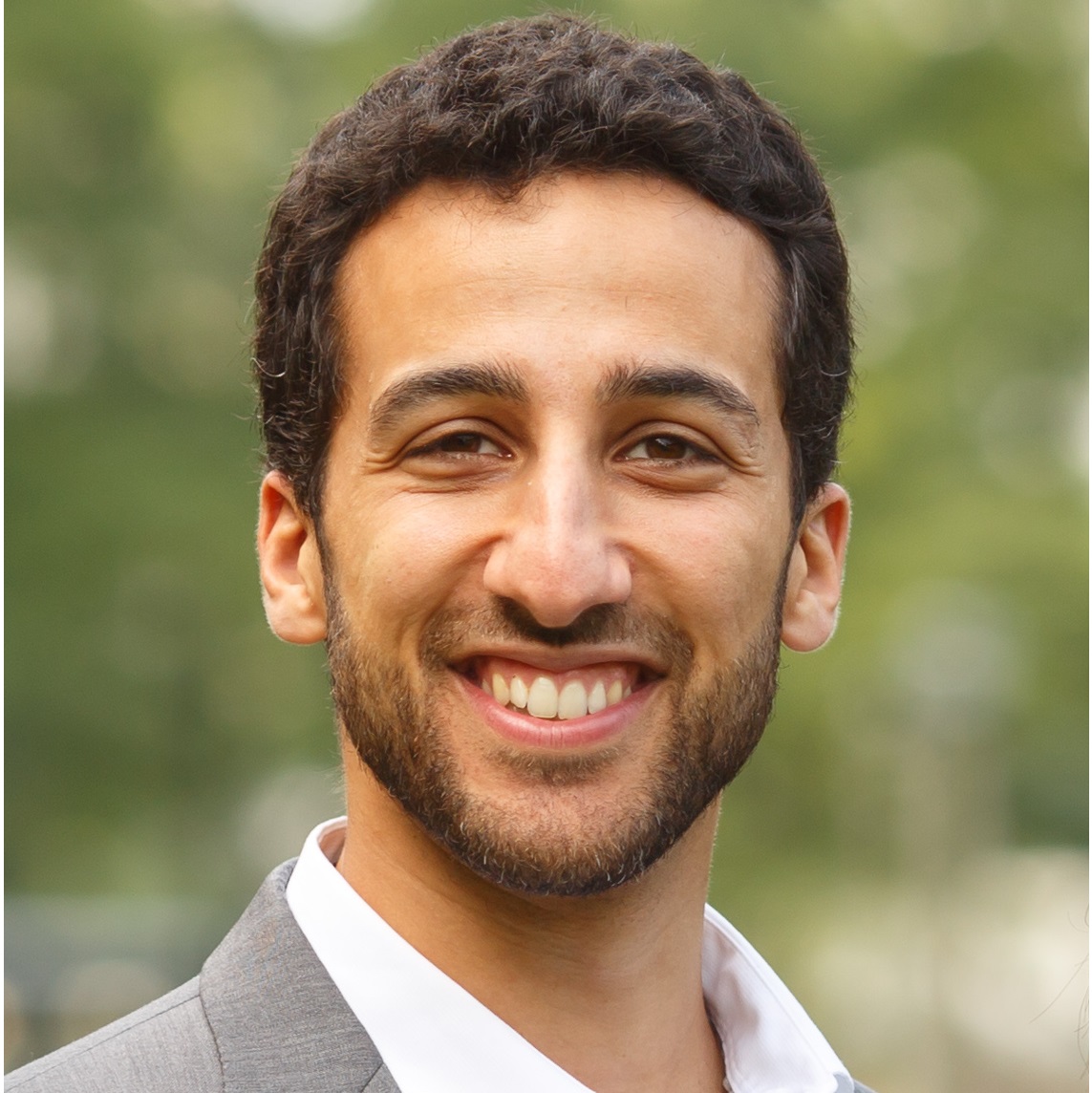
Marcus Ibrahim
Team Leader | Team Ibrahim | eXp Realty®
or another way