
Categories
Choosing A RealtorPublished August 11, 2026
What Actually Slows Down Escrow: Lessons From Real Transactions

.jpg)
Every escrow period has a timeline attached to it, but Marcus and Helen Ibrahim have found that the actual closing date and the originally agreed-upon date don't always match. Delays are common enough in real estate that it helps to understand the recurring categories they tend to fall into, rather than treating each one as an isolated surprise. None of what follows points to a specific transaction — these are the general patterns that show up across many deals.
Financing and Appraisal Issues
Loan underwriting is often the single biggest source of escrow delays, simply because it involves the most moving parts and the most external review. A lender may request additional documentation partway through the process, an appraisal may come in below the agreed purchase price, or a buyer's financial picture may shift in ways that require re-underwriting. These issues are squarely in a lender's domain, and buyers working with an experienced, responsive loan officer generally navigate them faster than those who don't. Anyone with questions about financing timelines or requirements should go directly to their lender, since loan terms and underwriting standards vary by institution.
Title Issues
A title search can turn up liens, easements, boundary questions, or unresolved ownership issues from years earlier that need to be cleared before a sale can close. Some of these are quick fixes — a lien that simply needs to be paid off at closing — while others take real time to resolve, particularly anything involving prior owners, probate, or unclear property lines. A title company handles this research and resolution, and any specific title question should go to the title officer handling the file rather than being guessed at.
Inspection Negotiations
A home inspection frequently turns up items that weren't visible or known before contract, and negotiating what gets repaired, credited, or left alone can take longer than either side expects, especially when multiple items are in play at once. This is one area where having an agent who communicates clearly and promptly on both sides tends to keep things moving, since delays here are often about back-and-forth logistics as much as the substance of the repairs themselves.
Sometimes the delay isn't the inspection findings themselves but the follow-up — getting a specialist (a roofer, an electrician, a structural engineer) out to give a second opinion or a repair estimate before either side will agree on next steps. Scheduling that kind of specialist visit can add days to a negotiation, which is worth factoring into expectations from the start rather than treating it as an unusual holdup.
Disclosures and HOA Documents
California requires sellers to provide a range of disclosures about the property's condition and history, and gaps or delays in getting these documents completed and delivered can push back a buyer's contingency timelines. Disclosures are also where sellers sometimes need to loop in outside expertise — a pest inspector, a contractor, or in some cases a tax or legal advisor — to answer a question accurately rather than guessing, since inaccurate disclosures can create bigger problems later than a short delay would have caused.
For condos, townhomes, or any property in a homeowners association, buyers are generally entitled to review HOA financials, meeting minutes, and governing documents before removing contingencies. Associations vary widely in how quickly they can produce these documents, and a slow-to-respond HOA can hold up an otherwise smooth transaction. Building in a realistic expectation for HOA document turnaround at the start of escrow, rather than assuming it will be immediate, tends to prevent this from becoming a late surprise.
Staying Ahead of These Patterns
None of these categories are unusual, and most transactions encounter at least one of them in some form. What tends to separate a smooth closing from a stressful one is preparation — having documents ready early, choosing a responsive lender, and working with an agent who tracks the timeline closely enough to flag issues before they become urgent.
It also helps to build a small cushion into expectations from the outset. A close-of-escrow date is a target that both sides are working toward, not a guarantee, and treating it that way — with open communication about where things stand at each milestone — tends to reduce stress even when one of these common delays does come up.
Marcus and Helen Ibrahim manage these moving pieces on every transaction and are glad to talk through what to expect on a specific purchase or sale before it's underway, including which of these categories tend to be most relevant given the property and financing involved. Reach the team at (626) 605-1840 or www.teamibrahim.com.
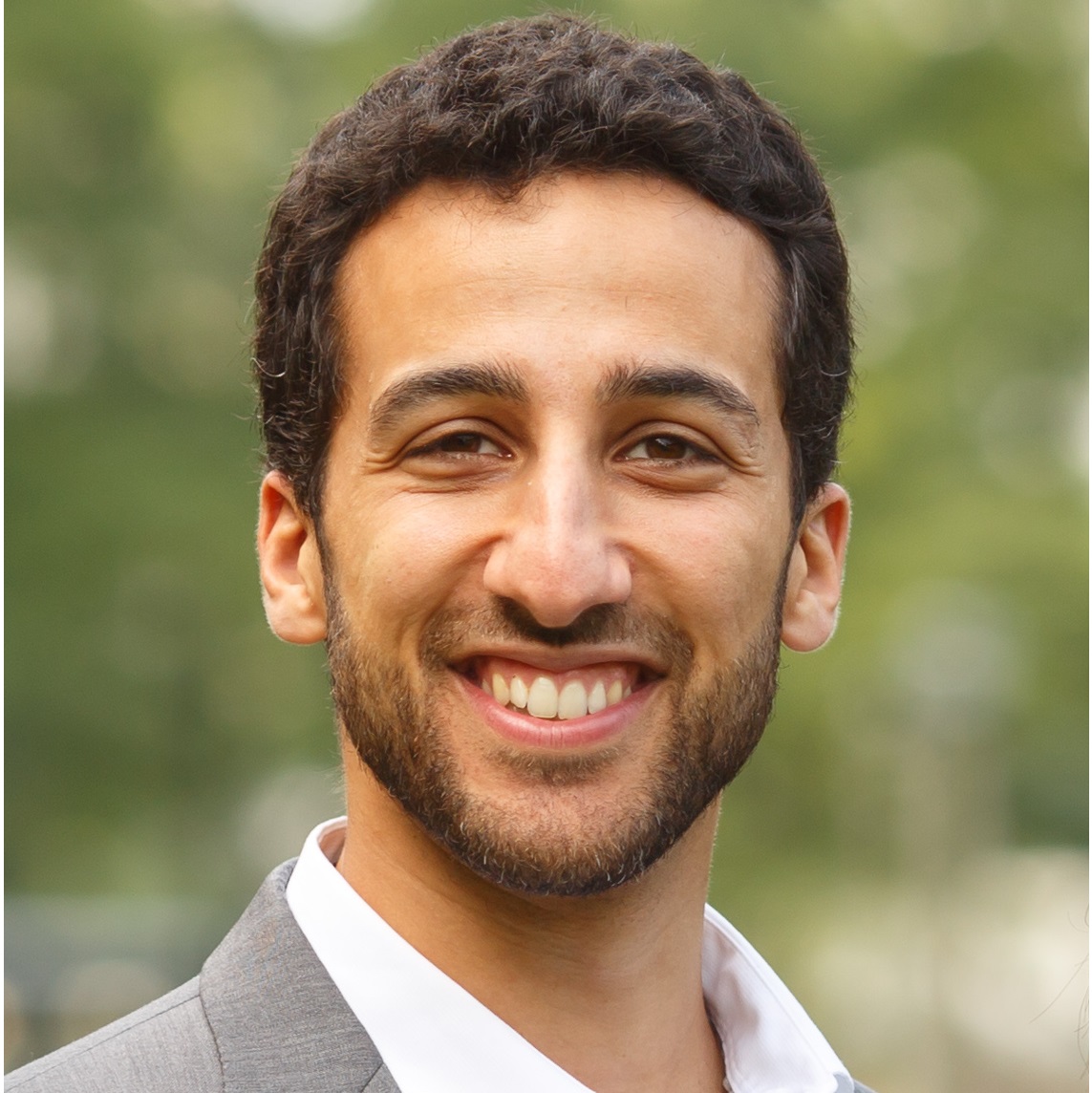
Marcus Ibrahim
Team Leader | Team Ibrahim | eXp Realty®
or another way