
Categories
Glendora Seller TipsPublished August 21, 2026
What Home Inspections Actually Reveal — and What Sellers Should Do About It

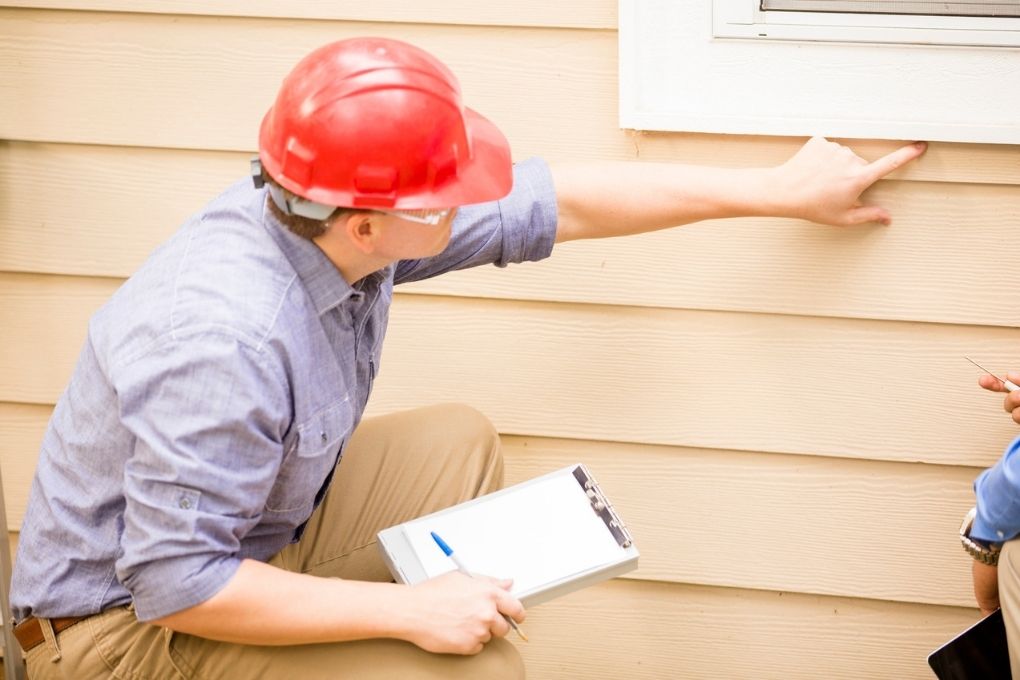
Sellers frequently ask Marcus and Helen Ibrahim what actually happens during a home inspection, especially if they are weighing whether to order one before listing rather than waiting for a buyer's inspector to find issues later in escrow. Understanding the general scope of a standard inspection—and where a pre-listing inspection can help—lets sellers make that decision with clearer eyes, before a deal is already in motion and the pressure is on.
What a General Home Inspection Typically Covers
A standard residential inspection usually walks through the major systems and structural components of a house: the roof and attic, foundation and visible structural elements, electrical panel and wiring where accessible, plumbing fixtures and visible pipes, and heating and cooling equipment. Inspectors also typically check windows, doors, and interior and exterior surfaces for signs of water intrusion, settling, or deferred maintenance. The exact scope and depth varies by inspector and by the specific standards they follow, so sellers should ask any inspector they're considering exactly what is included before scheduling, rather than assuming every inspection covers the same ground.
It is worth noting that a general home inspection is not exhaustive in every category—items like sewer lateral lines, pools, or specialized systems often require a separate inspector with that specific expertise. A licensed home inspector can explain which additional inspections might make sense for a given property, and in many cases can recommend a trusted specialist for anything outside their own scope.
Why Some Sellers Order a Pre-Listing Inspection
A pre-listing inspection gives a seller the same information a buyer's inspector would eventually surface, but on the seller's timeline rather than in the middle of an active transaction. That timing difference matters: it gives the seller room to decide whether to repair an issue, disclose it and price around it, or simply document it so it does not become a last-minute negotiating surprise. Sellers who go this route often find the process reduces the odds of a buyer walking away or renegotiating late, since there are fewer unknowns for the buyer's own inspector to uncover once the house is already under contract.
A pre-listing inspection is not a substitute for the buyer's own due diligence—buyers in California typically still order their own inspection during escrow—but it does let the seller walk into negotiations informed rather than reactive. Some sellers use the report to prioritize a short list of repairs before photos are even taken, which can also make the home show better to prospective buyers.
Common Findings Sellers Should Expect to Address
Roof wear, aging water heaters, outdated electrical panels, and plumbing issues such as slow drains or minor leaks are the kinds of findings that show up often enough that sellers should not be surprised by them. How to handle any specific finding—whether it needs full repair, a partial fix, or simply disclosure—is a judgment call best made with input from a licensed contractor or the inspector themselves, since the right response depends on the severity and cost of the issue, not a one-size-fits-all rule that applies to every home the same way.
Older homes in particular tend to surface a predictable set of items—galvanized plumbing nearing the end of its useful life, knob-and-tube or other outdated wiring in homes built before modern electrical codes, and roofs that are functional but approaching the point where a buyer's lender or insurer may ask questions. None of these findings automatically sink a sale, but knowing about them ahead of time gives a seller options that simply aren't available once a buyer's inspector delivers the same news mid-escrow.
Deciding What to Fix Before Listing
Not every finding needs to be repaired before a home goes on the market. Some sellers choose to complete a handful of higher-impact repairs—things a buyer is likely to flag or negotiate over—while leaving smaller cosmetic items for the buyer to address after closing. This is exactly the kind of triage where a contractor's estimate and an agent's read on local buyer expectations both add value, since the right call often depends on what similar homes in the area are offering and what buyers in that price range typically expect to handle themselves.
Disclosure Still Matters, Inspection or Not
Whether or not a seller orders a pre-listing inspection, California's disclosure requirements still apply, and known material defects need to be disclosed to buyers regardless of whether an inspection catches them. A pre-listing inspection can actually make the disclosure process more thorough and defensible, since it puts findings in writing from a neutral third party rather than relying solely on the seller's own knowledge of the property's history and condition.
For questions about how a specific disclosure requirement applies to your situation, or how a particular finding should be handled from a legal standpoint, a real estate attorney or your agent's transaction coordinator is the right resource—this overview is meant to explain the general process, not to substitute for that guidance.
If you're weighing whether a pre-listing inspection makes sense for your home, Marcus and Helen Ibrahim can help you think through the timing and connect you with inspectors they trust in the area. Reach out at (626) 605-1840 or www.teamibrahim.com to talk through your specific property.

Marcus Ibrahim
Team Leader | Team Ibrahim | eXp Realty®
or another way