
Categories
NewsPublished August 18, 2026
Wildfire Rebuilding Resources for San Gabriel Valley Homeowners

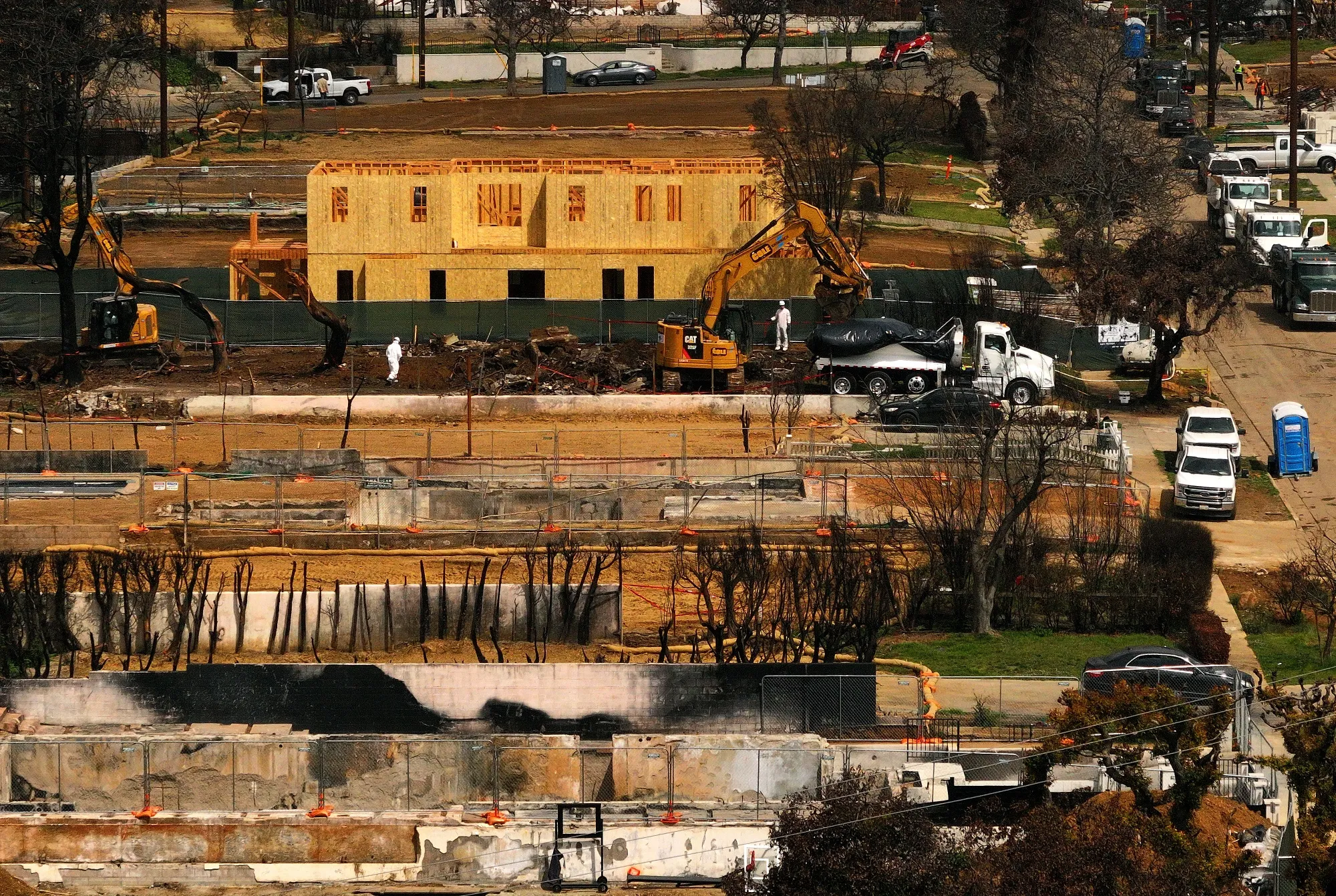
Rebuilding a home after a wildfire is a long process, and for homeowners in Altadena and other fire-affected parts of the San Gabriel Valley, navigating permits, financing, and contractors on top of everything else can feel overwhelming. Marcus and Helen Ibrahim serve communities throughout the region, including areas touched by the Eaton Fire, and they put together this roundup of resources currently available to homeowners working through a rebuild. This is meant as a starting point, not a complete guide — program details continue to evolve, so it's worth confirming current specifics directly with the sources named below.
A Streamlined Permitting Process
In August 2025, LA County rolled out what it calls a Unified Permit, designed to reduce the number of separate applications a rebuild project typically requires and move projects through the system faster. For homeowners who remember the pre-fire permitting process, this represents a meaningful change in approach, consolidating steps that used to require multiple separate reviews.
The county has also set up One-Stop Permit Centers in Altadena and Calabasas, staffed during counter hours specifically to help rebuild applicants move through the process in person. As of early 2026, permit approval timelines for standard like-for-like rebuilds in Altadena were averaging roughly five months — notably faster than pre-fire norms, largely because of these streamlined pathways. Every project is different, though, and timelines depend heavily on the specifics of a given rebuild, so homeowners should get a project-specific estimate rather than assuming an average will apply to their situation.
Fee Waivers and Cost Relief
LA County has committed to fee waivers and reductions specifically for fire-rebuild permits, which can meaningfully reduce the upfront cost of getting a project through plan check and inspection. The exact scope of what's waived or reduced can vary by project type, so homeowners should confirm current fee details for their specific rebuild directly with the county rather than assuming a blanket policy covers every cost.
Financing and Direct Financial Support
For homeowners needing financing to cover repair or replacement costs, the U.S. Small Business Administration offers disaster loans of up to $500,000 for real estate repair or replacement following a declared disaster. Beyond federal lending, local philanthropic efforts have also stepped in — the Altadena Builds Back Foundation had committed $11.2 million as of January 2026, including $4.55 million directed to San Gabriel Valley Habitat for Humanity to build 22 homes for underinsured West Altadena homeowners. Eligibility and application details for any of these programs should be confirmed directly with the administering organization, since terms and available funding can change.
Where to Start
LA County Recovers, at recovery.lacounty.gov, is the county's central hub for permit applications, information on the One-Stop Permit Centers, and updates on rebuild programs as they evolve. It's the most reliable starting point for current, official information rather than secondhand summaries. From there, most homeowners will also want to loop in a contractor or architect early, since they can help translate general program information into a specific plan for a specific lot and structure.
For anything involving loan terms, insurance settlements, or tax implications of rebuild funding, a lender, insurance professional, or tax advisor is the right resource — those are specialized questions outside what a real estate agent can advise on, but connecting with the right professional early tends to save time and stress later in the process.
What This Means for the Broader Market
The pace of rebuilding also matters to homeowners who aren't rebuilding themselves — neighbors deciding whether to sell a lot rather than rebuild, buyers considering a fire-affected area for its long-term potential, and anyone trying to understand how a recovering community is likely to look in the coming years. Faster permitting and dedicated financial support tend to shorten the timeline before a neighborhood feels fully rebuilt, though every block and every homeowner's situation is different, and there's no single timeline that applies to the whole area.
Homeowners considering whether to rebuild, sell as-is, or sell a vacant lot after a fire face a genuinely difficult decision that depends on insurance proceeds, personal timeline, and attachment to the property and neighborhood. There's no universally right answer, and it's worth talking through the specific numbers and options with people who understand both the local market and the current rebuild landscape before deciding.
Insurance settlements, contractor availability, and material costs all factor into that decision as well, and each is specific enough to a homeowner's situation that general information only goes so far. A public insurance adjuster or attorney experienced in fire claims can help homeowners understand what a policy actually covers, while a local contractor familiar with the current Altadena rebuild environment can speak to realistic timelines and costs for a specific project — both are worth consulting before finalizing a rebuild-versus-sell decision.
Marcus and Helen Ibrahim have talked with a number of Altadena-area homeowners about what rebuilding, selling, or buying in a recovering neighborhood looks like right now, and they're glad to share what they've learned or point you toward the right resource. Reach out at (626) 605-1840 or www.teamibrahim.com.

Marcus Ibrahim
Team Leader | Team Ibrahim | eXp Realty®
or another way